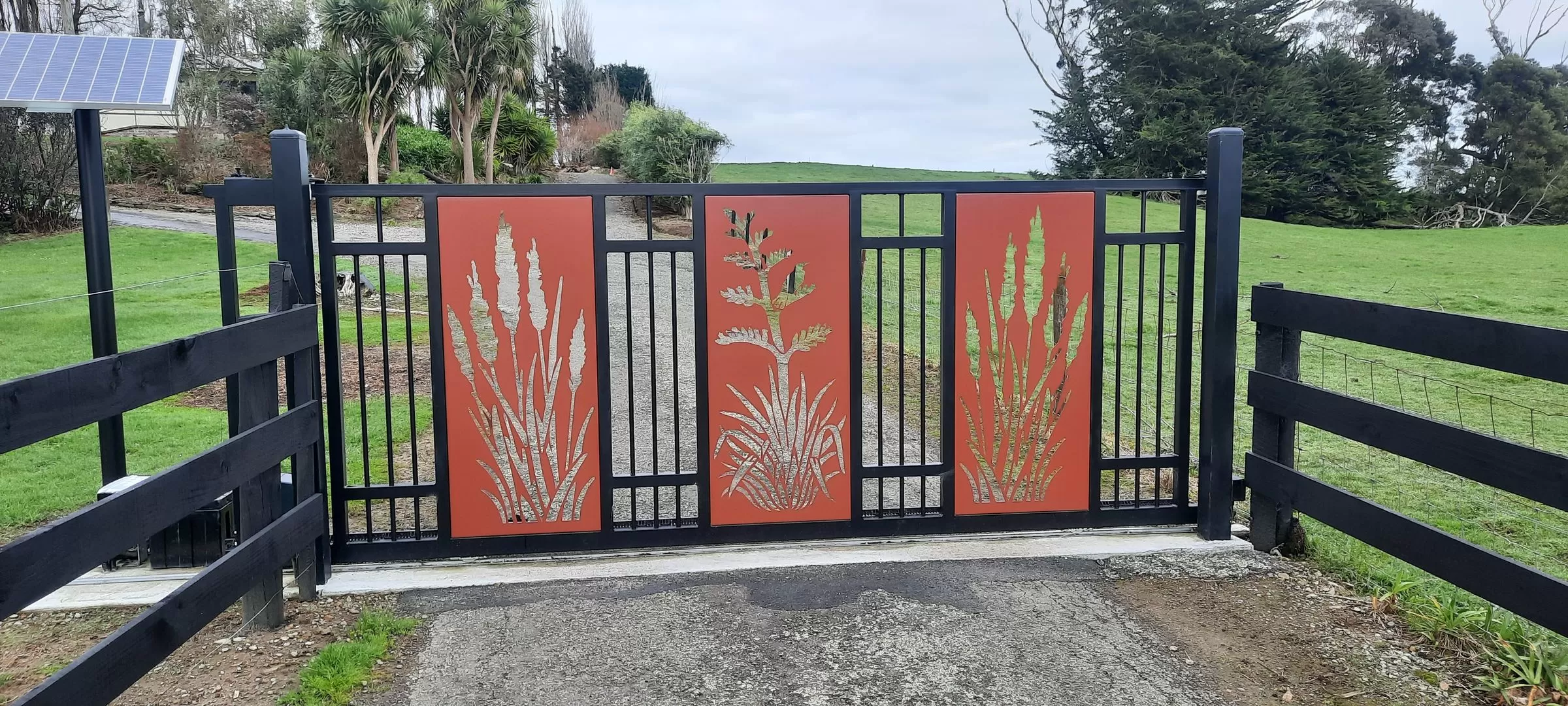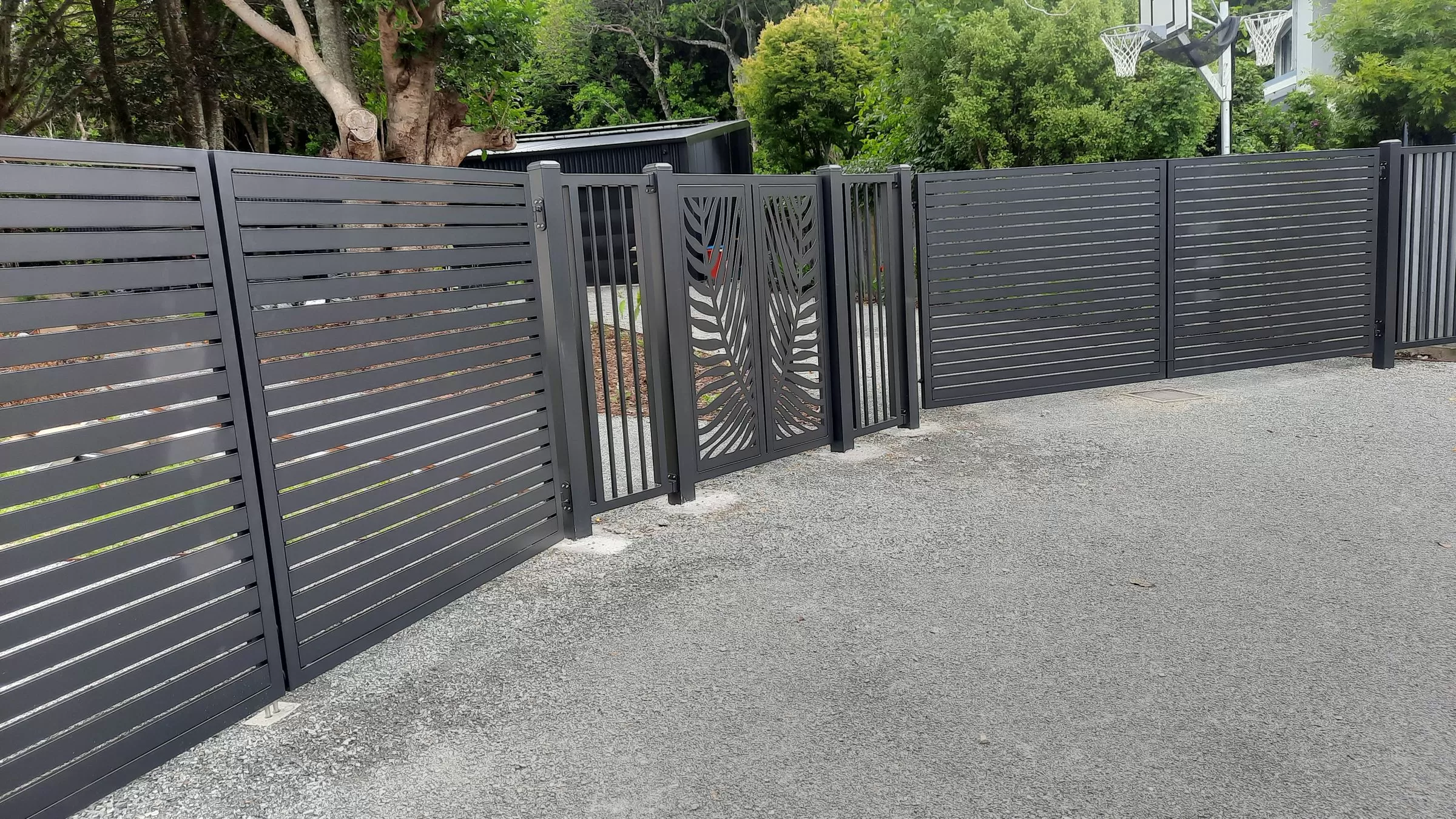
Thinking about a new boundary fence, or replacing a tired one? In New Zealand, the rules for fences between neighbours are in the Fencing Act 1978. It’s a short Act and fairly practical. Here’s what it says in plain English, with section numbers in case you want to read the Act itself.
This is general information, not legal advice. If you’re heading into a dispute, Community Law or a lawyer can help.
Who pays for a boundary fence?
The starting point is section 9. When two properties aren’t divided by an “adequate fence”, the occupiers on each side have to contribute in equal shares to work on a fence. Work includes building, replacing, repairing and maintaining a fence, preparing the ground along the boundary, and any survey work needed to find the boundary.
The occupier is usually the owner. A tenant only counts as the occupier if they have a tenancy of 10 years or more.
Equal shares are the default, not a fixed rule. You and your neighbour can agree to split the cost another way, and a registered fencing covenant can mean one owner can’t be asked to contribute at all. It’s worth checking your record of title for a covenant before you start.
What counts as an adequate fence?
The Act defines an adequate fence as one that is reasonably satisfactory for the purpose it serves or is meant to serve. That depends on the property. A paling fence that suits a suburban back yard is a different thing from a fence for a lifestyle block with stock.
Schedule 2 of the Act describes some example fences, such as a close boarded fence at least 1.5 metres high, but you don’t have to use one of them.
If you want something better than an adequate fence, for example a full-height aluminium slat fence instead of basic palings, your neighbour can object. Consumer NZ notes that you may need to pay the extra over what an adequate fence would cost.
Gates count as part of the fence
The Act’s definition of a fence includes “all gates, culverts, and channels that are part of or are incidental to a fence”. So a pedestrian gate set into a shared side fence is part of that fence when it comes to sharing costs.
Your front fence and driveway gate are usually yours alone
Section 3 says the Act doesn’t apply to roads. In practice, that means there’s no neighbour to share the cost of a fence or gate along your street frontage. A new driveway gate or front fence on the road boundary is normally your project and your cost.
How to ask your neighbour to share the cost
Most fences get sorted with a friendly chat and a quote. If you need to make it formal, section 10 sets out the fencing notice. It must:
- say which boundary, or which part of it, the work is on
- describe the work and materials clearly enough for your neighbour to understand it and estimate the cost
- explain what happens if they don’t respond
- state the shares you’re proposing, if it isn’t half each
The form in Schedule 1 of the Act is a handy template. It also asks for the estimated total cost, who will do the work, how materials will be paid for and a start date.
You can hand the notice over in person or send it by registered post (section 12).
Timing matters. Unless you agree otherwise, your neighbour doesn’t have to pay for work done before the notice is served, during the 21 days they have to respond, or while a disagreement is being sorted out (section 10). So get the paperwork done before the builder starts.
What if your neighbour disagrees?
Your neighbour has 21 days to serve a cross-notice objecting to any part of your proposal, and they can make counter-proposals (section 11). If they don’t respond within 21 days, they’re treated as having agreed.
If you still can’t agree within 21 days of the last notice, either of you can ask the Disputes Tribunal or the District Court to decide (sections 13, 24 and 24A). Since 24 January 2026, the Disputes Tribunal can deal with fencing claims of up to $60,000.
If nobody objects, you can start once the 21 days are up. If the person who gave the notice hasn’t started within 28 days of being entitled to, either neighbour can go ahead with the work (section 14).
Urgent repairs and damage
If a fence is damaged or destroyed by a sudden accident, such as a storm, and needs work straight away, either neighbour can do the repair without a notice and recover half the cost from the other (section 16). If one neighbour caused the damage, they pay the whole cost of fixing it (section 17).
Where the fence goes
The middle of the fence should sit on the boundary line, with the posts on it or as close as practical (section 22). You can’t build a fence that sits on your neighbour’s land without their consent or a court order (section 8). If you’re not sure where the boundary is, a surveyor can find the pegs, and survey work counts as part of the fencing work.
Pool fences follow their own rules
If a fence has to be built or upgraded because a pool needs a barrier under the Building Act, that extra work is the pool owner’s responsibility. The neighbour only has to contribute what they would for a fence if the pool wasn’t there (section 9A). Pool barriers also need a building consent, and MBIE notes they’re inspected every three years.
Do you need consent to build a fence?
Usually not a building consent. Under exemption 21 in Schedule 1 of the Building Act 2004, building work on a fence up to 2.5 metres high above the supporting ground doesn’t need a building consent, as long as it isn’t a pool barrier. MBIE says to measure from the top of the fence to the ground directly below it.
Your district plan is a separate question. MBIE notes that many district plans need a resource consent for fences over a certain height, usually over 2 metres, and front fences can have their own rules too. Check with your council before you build.
Where Jules can help
Jules makes aluminium slat fencing, infill panels and gates in Levin, and he can make the fence and gates together so the slats line up and the colours match. If you’re planning a shared fence, a quote from Jules can help you put an estimated cost in your fencing notice. See fencing and panels or get a free quote.
Sources
- Fencing Act 1978, New Zealand Legislation (version as at 24 January 2026)
- 9.1 Fences and hoardings, MBIE Building Performance
- Fencing law, Consumer NZ
- Fences, Community Law